
What Causes Sticky Floors Even After Mopping?
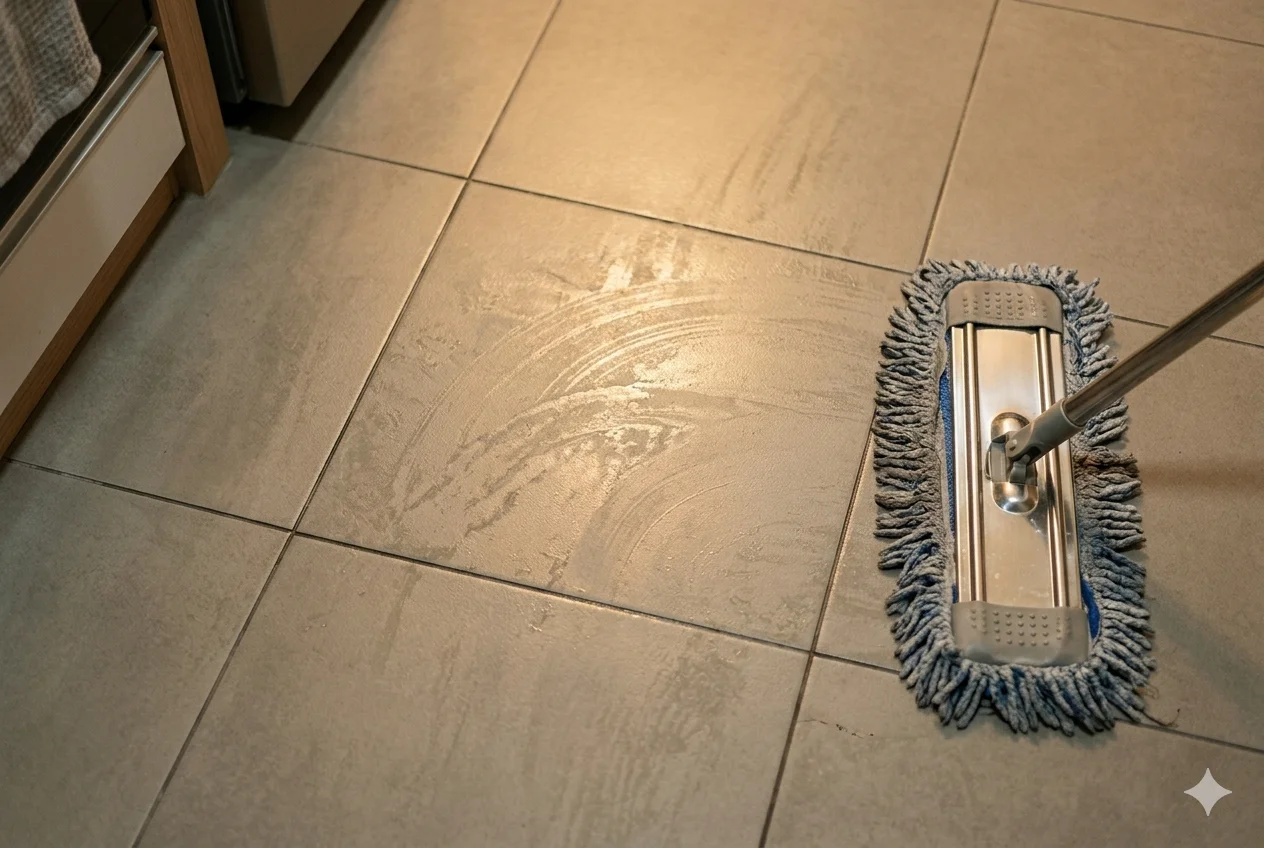
Sticky floors after mopping can be frustrating, especially when the surface looks clean but still feels uncomfortable under your feet. In most cases, the problem is caused by cleaning residue, grease, dust build-up, dirty mop water, or improper rinsing.
Sticky floors after mopping can be frustrating, especially when the surface looks clean but still feels uncomfortable under your feet. In most cases, the problem is not simply “dirty flooring” — it is usually caused by cleaning residue, grease, dust build-up, dirty mop water, or improper rinsing.
Why your floor still feels sticky after cleaning
Mopping should leave your floor feeling fresh, smooth, and clean. However, when the wrong cleaning method or product is used, it can leave behind a thin residue layer. This sticky layer attracts even more dust and dirt, making the floor feel dirty again shortly after cleaning. This is especially common in Singapore homes where humidity, cooking grease, renovation dust, and frequent foot traffic can cause grime to build up faster.
Common causes of sticky floors
1 — Too much floor detergent
Using more cleaning solution does not always mean cleaner floors. Excess detergent can dry into a sticky film, especially if it is not rinsed off properly.
2 — Dirty mop water
When mop water is not changed often enough, dirt and residue get spread back onto the floor instead of being removed.
3 — Grease from cooking
Kitchen floors often become sticky due to oil vapour, food spills, and grease settling on tiles or vinyl surfaces.
4 — Dust and renovation residue
After renovation, fine dust can settle into floor grooves and corners. Normal mopping may not fully remove this type of residue.
If the floor becomes sticky again shortly after mopping, it may be a sign that there is residue build-up beneath the surface layer. Repeated mopping without proper rinsing can make the problem worse.
Common areas where sticky floors happen
- Kitchen floors near the stove and sink
- Dining areas with food spills
- Living rooms with heavy foot traffic
- Bathrooms with soap residue
- Newly renovated homes with fine dust build-up
- Move-in or move-out units that have not been deep cleaned
How to prevent sticky floors after mopping
- Use less detergent — Follow the correct dilution ratio and avoid overusing cleaning solution.
- Change water regularly — Fresh mop water prevents dirt from being spread across the floor again.
- Rinse when needed — A second pass with clean water can help remove leftover chemical residue.
When normal mopping is not enough
If your floor still feels sticky even after using clean water and less detergent, the issue may be deeper than surface dirt. Grease, old detergent layers, renovation dust, or grime trapped in floor textures may require a more thorough cleaning process. This is where a professional deep cleaning service can help remove stubborn build-up from floors, corners, skirting areas, and hard-to-reach spaces.
Sticky floors after renovation
Newly renovated homes often have fine dust, adhesive residue, paint specks, and construction particles left behind. These can mix with water during mopping and create a sticky or cloudy layer on the floor. For this situation, post-renovation cleaning is usually more suitable than basic mopping because it targets renovation dust and residue throughout the home.
Final thoughts
Sticky floors after mopping are usually caused by residue, grease, dirty water, or hidden grime rather than the floor being impossible to clean. With the right cleaning method, proper rinsing, and occasional professional deep cleaning, your floors can feel fresher, smoother, and more comfortable again.
Ready to book a professional clean?
Mon–Sun · 8 AM–9:30 PM · Free quote on WhatsApp
Let’s Make Your Space
Spotless.
Join 1,000+ Singapore homeowners and businesses who trust Eminence Cleaning. Get a free quote via WhatsApp — we respond within a few hours.